
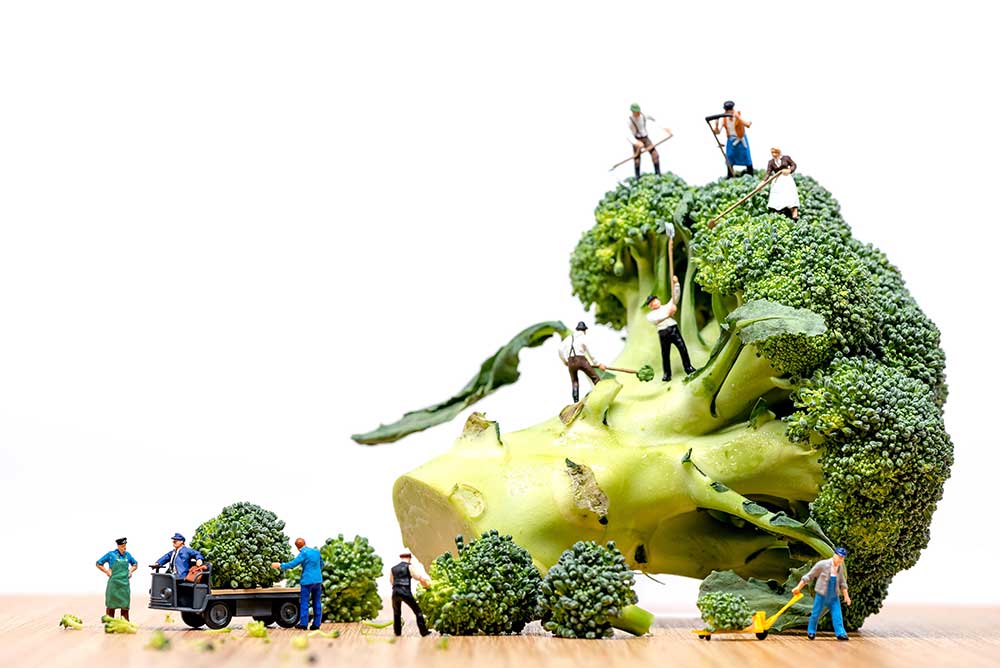




Nearly half of all food borne illness outbreaks occur when eating away from home. Don’t let your kitchen be responsible for an outbreak!
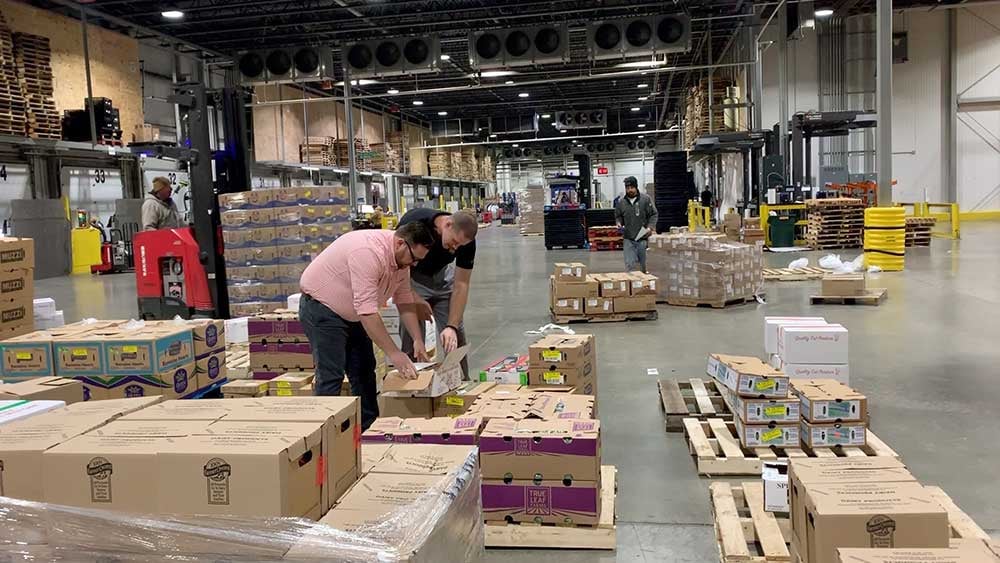
Food safety starts long before serving, so make sure you partner with a food service distributor that has a quality program for produce. For example, because Martin Bros. Distributing receives a variety of produce from all over the United States and some from other countries, there are many unique quality issues that Martin Bros. looks for.
Once quality produce reaches your establishment, here are some food safety tips for working with that produce that will help keep your customers safe:
- All fresh produce except commercially washed, pre-cut and bagged produce must be thoroughly washed before use. Even if you plan to peel or otherwise alter the form of the produce, it is still important to remove soil and debris first.
- Avoid cross-contamination. Be sure to wash, rinse and sanitize the counters and food contact surfaces the produce will touch. Be sure not to expose the produce to raw meat, seafood or poultry.
- When washing produce, remove outer leaves. Pull leafy greens such as lettuce and spinach completely apart and rinse thoroughly. Do not use soap, detergent or other surfactant to wash produce. When soaking or storing produce in standing water or an ice-water slurry, do not mix different items or multiple batches of the same item together. Pathogens on one kind of produce can contaminate other types of produce. You want to do everything to minimize this risk.
- Many pre-cut, bagged produce items are pre-washed. If so, these items will be identified on the package and can be used as ready-to-eat without further washing.
- Refrigerate and hold sliced melons, cut tomatoes and cut leafy greens at 41°F or lower. Many operations hold other fresh-cut produce at this temperature, as well.
- Any cooked fruit or vegetable that is not part of a more complex recipe will need to be heated to a minimum internal temperature of 135°F.
From receiving to serving, produce has a long way to go. We can all do our part to make sure produce gets to your patrons’ plates as safely and with as much amazing presentation as possible!
For more food safety tools and resources, check out Martin Bros. Food Safety Toolkit.